How Do You Photograph a Finished Kitchen in Southern California Light
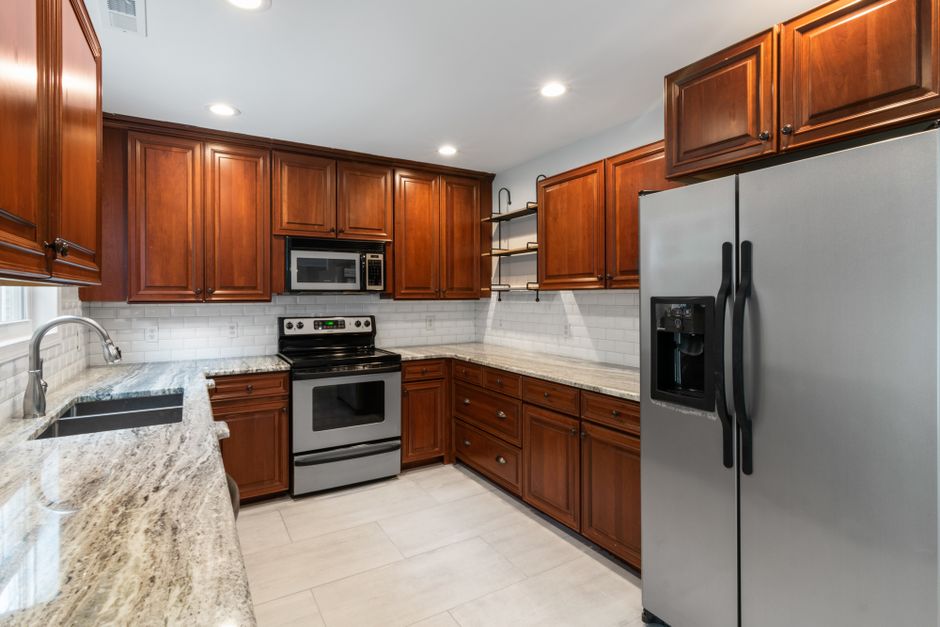
On a west facing kitchen in Los Angeles, the light that flatters the room at ten in the morning can wash out the quartz and blow out the window by mid afternoon, and the notes kept at los angeles kitchen remodeling project photography art in the americas (the ones about timing a shoot) treat the sun as a scheduling problem before they treat it as a camera problem. A finished remodeling project only gets photographed once, in the state the homeowner left it, so the hour matters as much as the lens.
Why does the marine layer help in the morning?
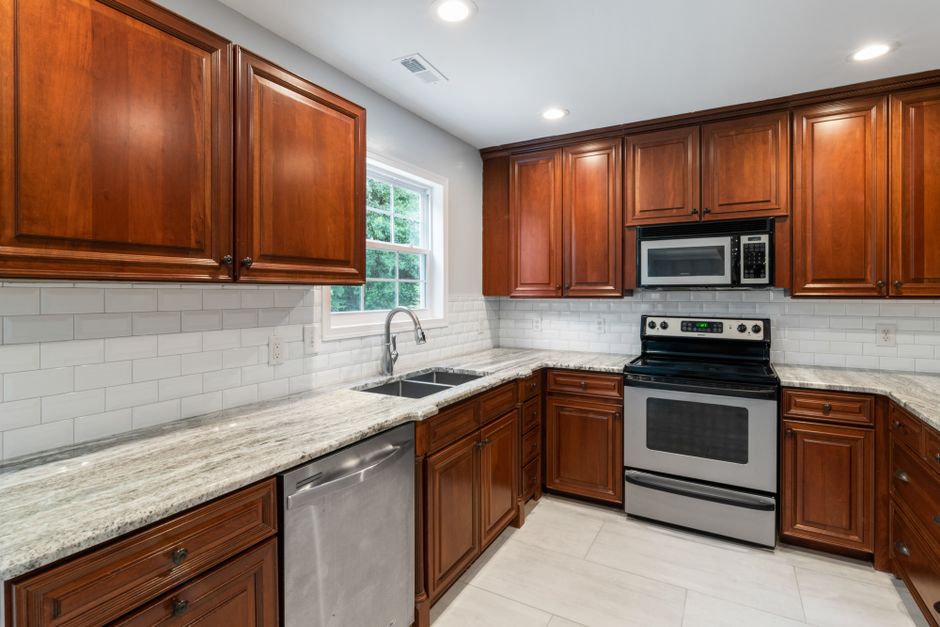
Along the coast, from Santa Monica through the Westside, a gray morning is a gift. The cloud acts as one huge softbox, so stainless steel, glossy cabinet doors and polished stone show their real color without hot reflections. Shoot early, let the layer do the diffusing, and the exposure stays even from the window wall to the far corner of the room.
What goes wrong in harsh afternoon sun?
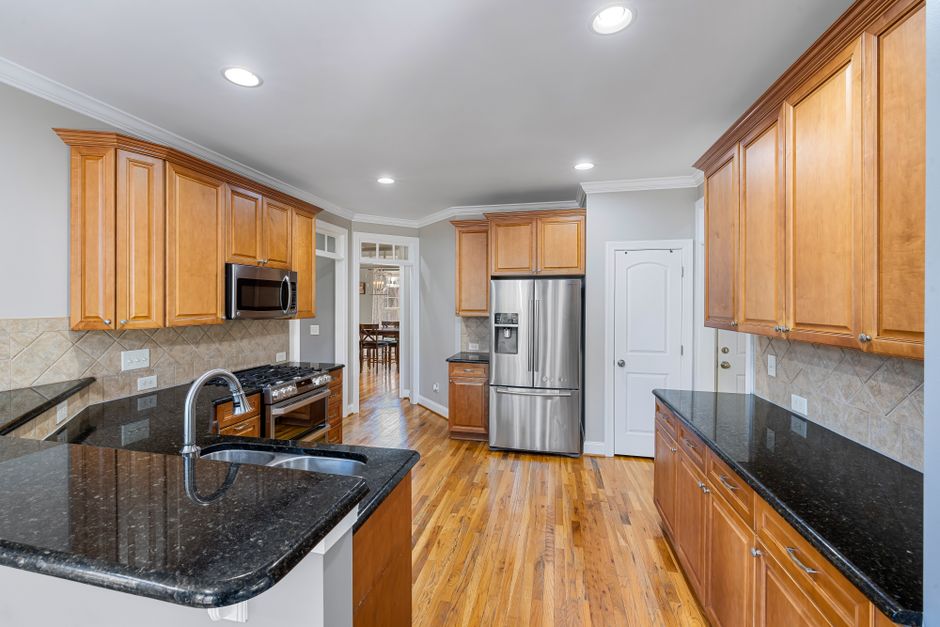
Inland, in the San Fernando Valley, Glendale and Pasadena, the sun comes in hard and low through the afternoon. It throws a bright rectangle across the island, burns out the backsplash tile and turns every glossy surface into a mirror. The fix is mechanical: close sheers or pull the blinds halfway, or wait until the direct beam has left the room and shoot with the bounce from the walls.
Which way does the window face?
North light is the easiest, steady and cool all day. East windows give a warm, bright start and then go flat. South windows in Silver Lake hillside homes can stay bright for hours, which is useful in winter and punishing in summer. Walk the kitchen the evening before and note where the beam lands, so the shoot day has a plan and not a guess.
Should the lights be on or off?
Turn the under cabinet lights and pendants on, but check the color of the bulbs first. Mixed warm and cool lamps make a kitchen look unfinished in photographs even when the work was spotless. Swap mismatched bulbs before the camera comes out, and keep the overhead recessed lights on only if their color matches the daylight reasonably well.
How do you handle windows and reflections?
Expose for the room, then take a second frame exposed for the view outside and blend the two. Stand slightly off axis from the range hood, the refrigerator and any glass front cabinet so the camera and tripod do not appear in the reflection. A polarizing filter helps with quartz and glass but cannot cure a direct hot spot.
What should be checked before the shoot day?
Clear the counters, wipe fingerprints from appliances and fix the position of stools. The homeowner may have moved in already, so the crew often has to dress the room with a few simple props. Pick the date by the weather and the sun, then keep a backup day, because a project in Los Angeles County photographed in poor light usually has to be shot again.